

-2025-07-11-06-46-49.webp)


tel zamek Stara Lubowla
+4210524322030

e-mail Zamek Stara Lubowla
info@hradlubovna.sk
Last updated on 2025-09-18
-2025-09-16-09-47-54.webp)
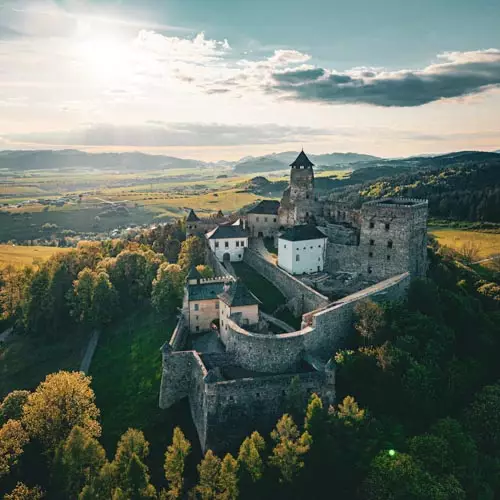
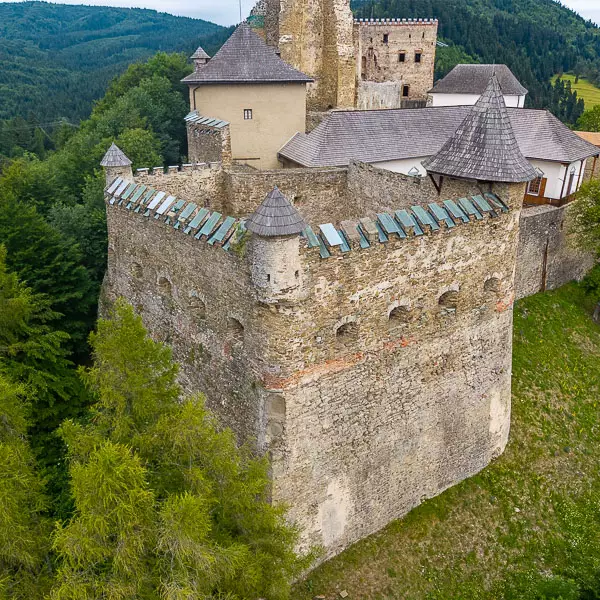
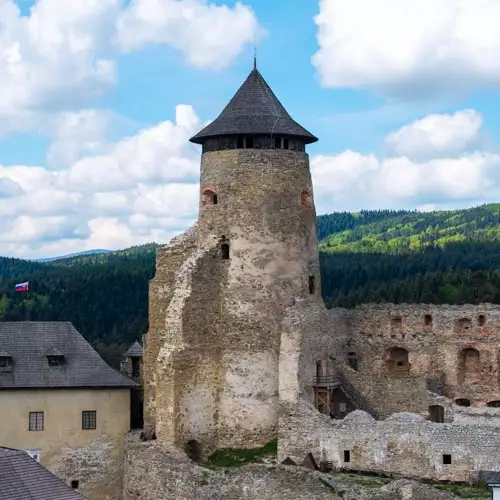
Situated picturesquely on a hill about 80 meters above the bottom of the Poprad valley, Stara Ľubovňa Castle is one of the most beautiful places in northern Slovakia. It is located just 2 km from the center of Stará Ľubovňa and about 18 km from the border with Poland (Piwniczna-Mnišek nad Poprad crossing).
The oldest part of the castle was built on a rocky ridge, which is visible in several places within the fortress. This location was not accidental. The terrain formed in this way gave natural protection and an excellent view of the surrounding area. The castle in Stará Ľubovňa was built primarily to control strategic trade routes between Poland and Hungary.
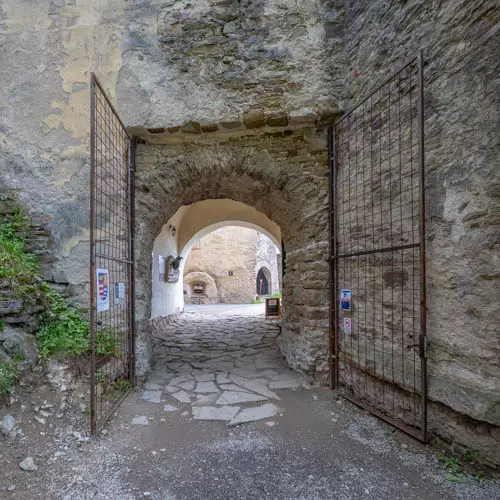
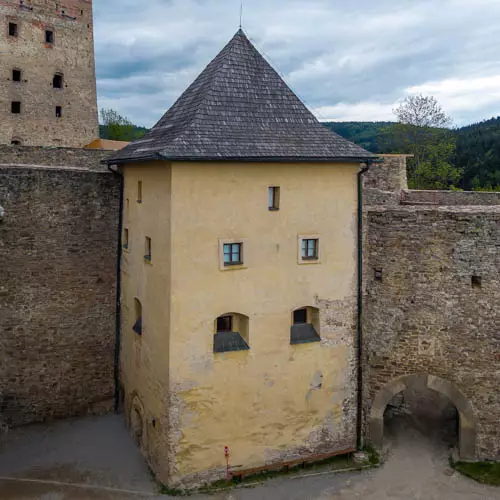
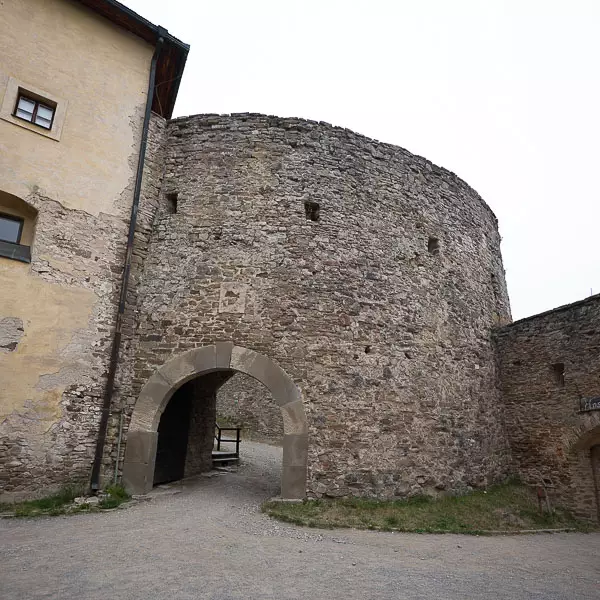
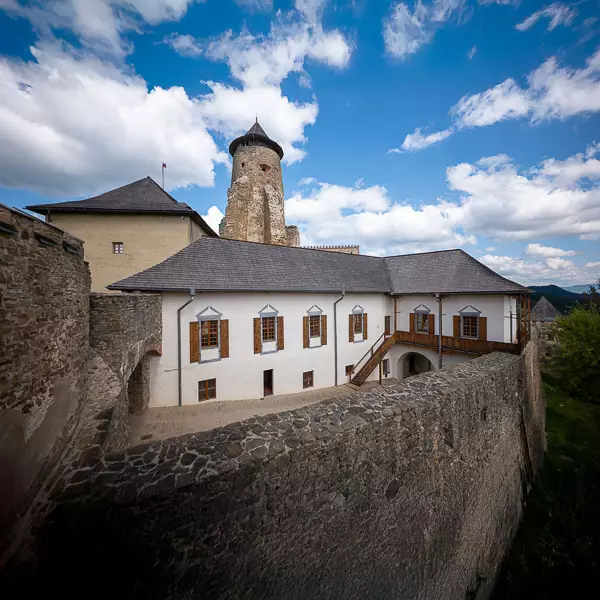
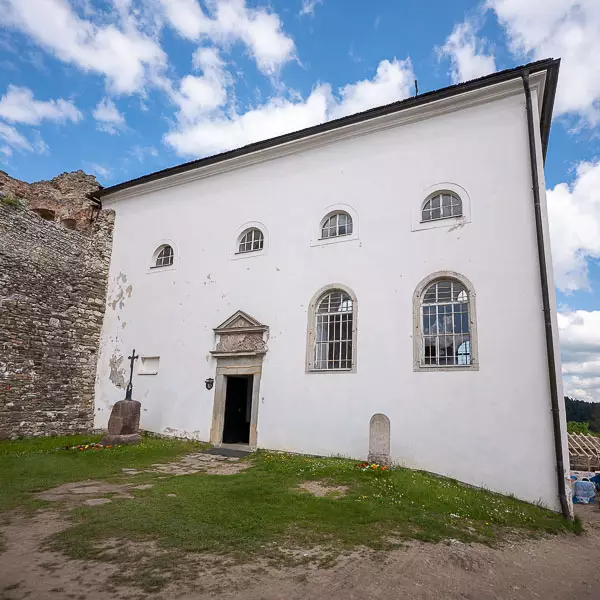
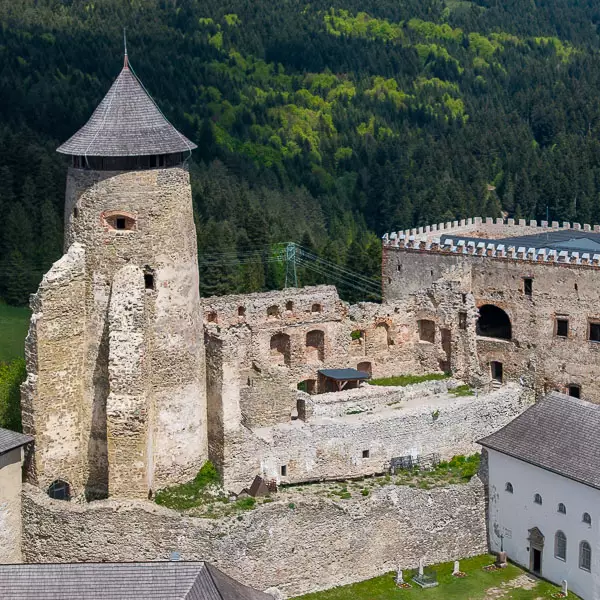
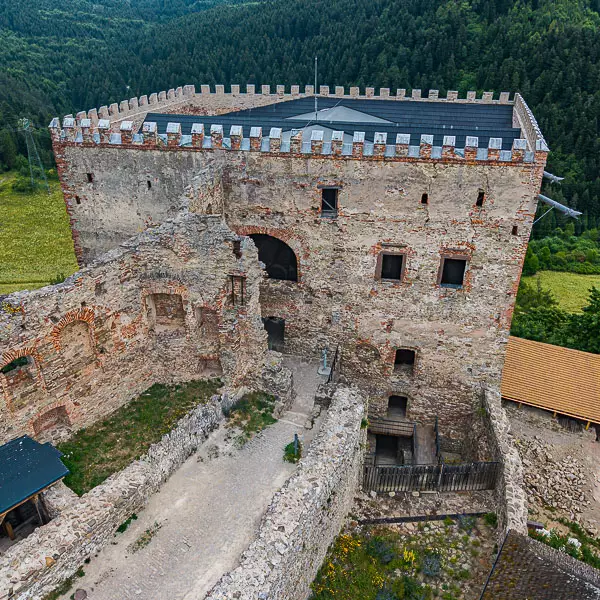
The castle consists of several parts representing different eras. The oldest, Gothic fragments form the upper castle, consisting of a well-preserved defensive tower and the ruins of a residential building. The other buildings: the Renaissance castle, the chapel, the Baroque palace, the middle and low castle fortification systems and the entrance gates all date from later periods of development.
Stara Ľubovňa Castle was built in the early 13th century as a defensive structure guarding the northern borders of the Kingdom of Hungary. The first written mention of the fortress dates back to 1311, when the castle was in the hands of Hungarian magnates. A turning point in the fortress's history occurred in 1412 when Hungarian King Sigismund of Luxembourg gave the castle along with 16 Spiš towns to Polish King Wladyslaw Jagiello as collateral for a loan.
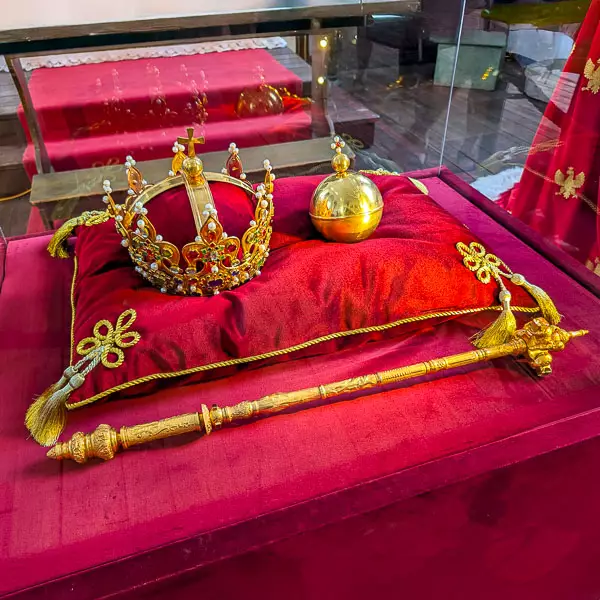
From 1412 to 1769, the castle in Stara Ľubovňa was in the hands of the Kingdom of Poland as part of the Spiš pledge. For more than 350 years it served as the seat of the Polish starosts who administered this strategic borderland. At that time, the starost's office was held by 19 people, of which the longest, for nearly 150 years, the castle remained under the administration of the Lubomirski family. In 1655, during the Swedish deluge, the coronation insignia of the Commonwealth was hidden here, which safely survived the war. This episode underscores how important Stara Ľubovňa Castle was for the security of the Polish state.
In 1769, the castle was occupied by Austrian troops, and three years later, in 1772, Lubovla was again under Hungarian administration. Thus ended the golden period in the castle's history. It lost its importance as the administrative center of Spiš and henceforth served only as the seat of a landed estate encompassing several surrounding villages. From 1799 to 1944 the castle remained in private hands. After the fall of the Slovak National Uprising in 1944, the Germans arranged a prison there. In 1945, the castle and its belongings were nationalized.
After the castle was taken over by the Czechoslovak state in 1945, the fortress began to fall into ruin at a rapid pace. From 1949 to 1960, an agricultural school operated in the bailey facilities. In 1966, a museum was established on the castle grounds and renovation of the most important buildings began. At the turn of the century, modern expositions were made available to visitors, which significantly increased the attractiveness of the site.
The tour includes a route through the historic interiors, tower, chapel, courtyards, walls, cellars and gates. Particularly worth seeing is the exhibition of copies of Polish coronation jewels and the exhibition on the history of the Spiš pledge.
This place combines the beauty of the landscape with the living history of the Polish-Slovak borderland, offering an unforgettable journey through the centuries of the turbulent history of this part of Europe.